No products in the cart.

Supreme history begins in 1994, when a small skate shop in New York City launched what would become one of the most influential fashion brands of the 21st century. What started as a niche store for skaters has grown into a billion-dollar global powerhouse, shaping streetwear, fashion marketing, and consumer culture.
This article explores the Supreme history, its business model, collaborations, controversies, and what the future might hold. Whether you’re a fashion lover, entrepreneur, or cultural observer, Supreme’s story offers lessons on branding, authenticity, and cultural influence.
The Origins: Supreme History, Skateboards, and Subculture (1994–2000)
Supreme was founded in SoHo, New York, in April 1994 by James Jebbia, a British-born entrepreneur with experience in skate and streetwear labels like Stüssy. The first shop on Lafayette Street was designed for skaters, featuring open space so customers could skate inside while browsing.
The products—graphic T-shirts, hoodies, skate decks—were bold yet minimal, often infused with humor, political messages, or provocative art. Early on, Supreme embraced scarcity by releasing small batches of products, which created an aura of exclusivity and turned customers into a loyal community.
Rise to Global Recognition: Collaborations and Expansion (2000–2016)
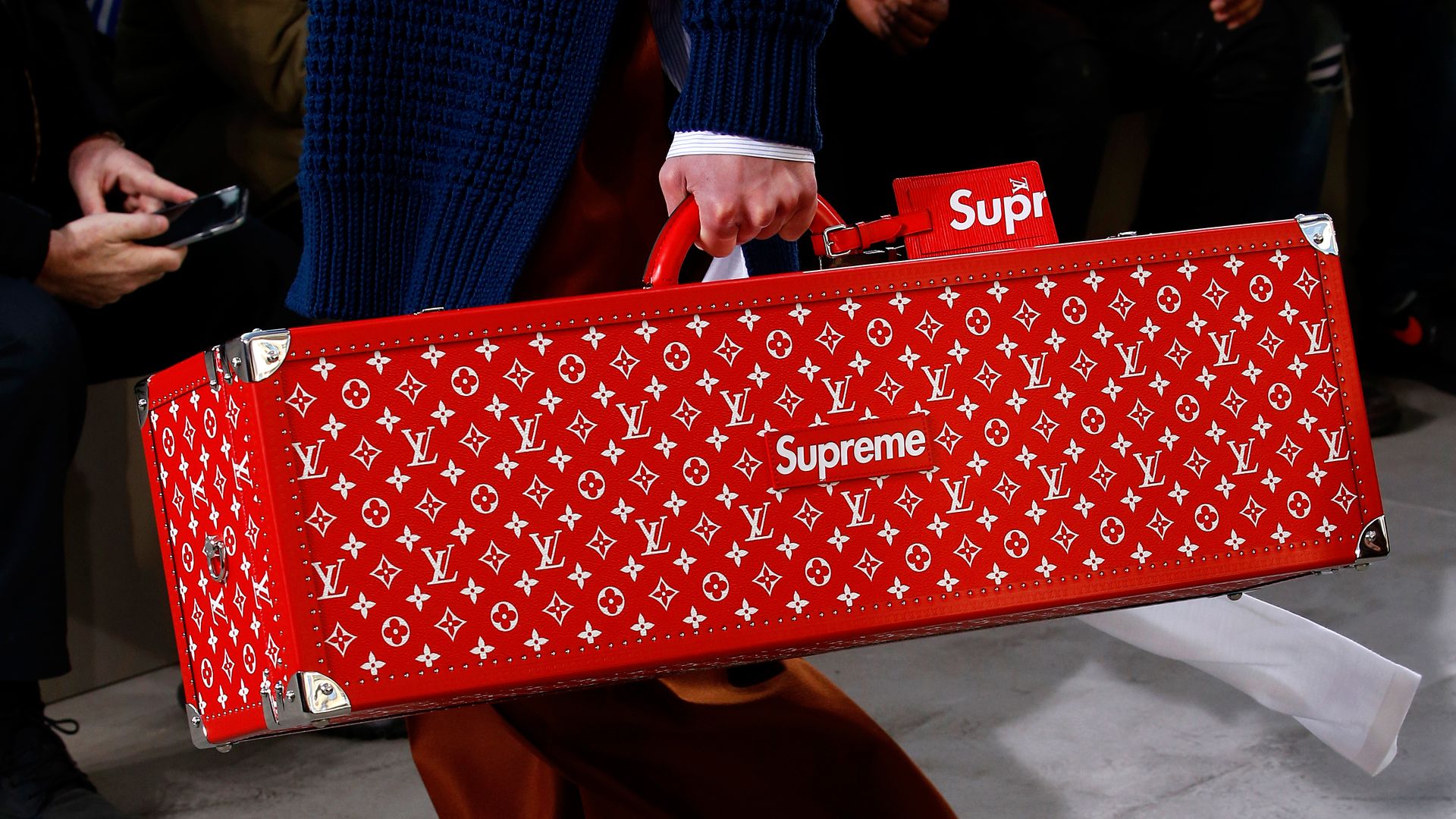
- Collaborations with artists and brands: Supreme became famous for partnerships with Louis Vuitton, Comme des Garçons, Nike, Vans, and The North Face. Each collaboration expanded the brand’s reach while maintaining credibility. See official Supreme collaborations.
- International expansion: Japan was one of the first markets, followed by London, Paris, and other global cities.
- Marketing without marketing: Supreme relied on scarcity, word of mouth, and cultural hype rather than traditional advertising.
Turning Point: Corporate Ownership and Mainstream Debate (2016–2024)
In 2017, Carlyle Group acquired a 50% stake in Supreme, valuing the brand at $1 billion. VF Corporation purchased Supreme in 2020 for $2.1 billion, and EssilorLuxottica added it to their portfolio in 2024.
These acquisitions sparked debates: Could a brand built on rebellion survive corporate ownership? Tremaine Emory’s brief tenure as Creative Director highlighted tensions about creative control and brand values. Despite challenges, Supreme continues to launch sold-out collections and celebrate its 30th anniversary in 2024.
Business Model Breakdown: Scarcity, Hype, and the Box Logo
The Drop Model
Weekly limited releases generate urgency, with fans queuing for hours and products selling out instantly.
Collaborations as Currency
Strategic partnerships with brands and artists keep Supreme culturally relevant and expand its audience.
The Box Logo Effect
The iconic red box with white “Supreme” text represents exclusivity, cultural capital, and resale value.
Minimal Traditional Advertising
Supreme avoids large marketing budgets, instead leveraging scarcity and cultural influence to drive hype.
Controversies and Challenges
- Creative Control: Leadership disputes, including Tremaine Emory’s departure, raised questions about brand direction.
- Cultural Appropriation: Some critics claim Supreme borrows heavily from subcultures.
- Resale Market: Resale hype sometimes overshadows genuine fans.
- Market Saturation: Global expansion risks diluting the brand’s exclusivity.
What Supreme History Teaches Fashion and Streetwear
- Scarcity drives consumer desire.
- Community loyalty ensures longevity.
- Collaborations maintain cultural relevance.
- Rejecting mainstream norms can build prestige.
What’s Next for Supreme?
Future considerations include:
- Sustainability: Eco-conscious production for modern consumers.
- Digital Innovation: Integration with NFTs, AR shopping, and online-exclusive drops.
- New Markets: Expansion in Asia and Africa.
- Authenticity: Maintaining underground credibility under corporate ownership.
FAQ
When was Supreme founded?
Supreme was founded in 1994 in SoHo, New York City by James Jebbia.
Who owns Supreme now?
As of 2024, EssilorLuxottica is Supreme’s parent company.
Why is the Supreme box logo so famous?
It represents exclusivity, cultural capital, and limited availability.
Why do Supreme products sell out so fast?
The drop model creates scarcity and resale hype.
What controversies has Supreme faced?
Leadership disputes, cultural appropriation claims, and debates about market saturation.
Conclusion
Understanding the Supreme history shows how a small skate shop became a global streetwear icon. Scarcity, collaborations, and cultural authenticity built a billion-dollar brand. Explore our exclusive hoodie and T-shirt collections inspired by global streetwear culture and the legacy of Supreme.